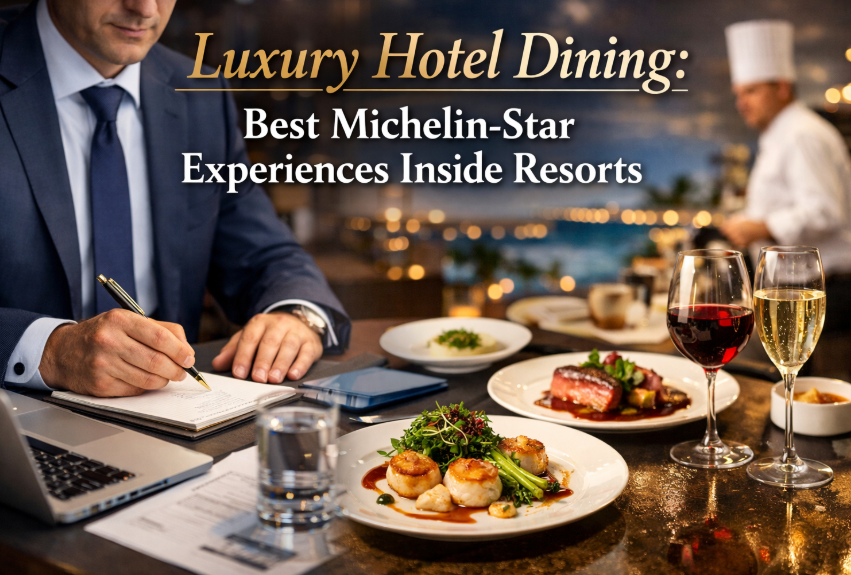
Luxury hotel dining is no longer just “nice food after check-in,” because Michelin-star resort restaurants now operate like world-class culinary destinations with high-end hospitality baked into every detail. If you love luxury travel, premium cuisine, and high-status experiences, Michelin-star resort dining can feel like stepping into a private theater where each course is a scene and each service detail is part of the plot. The best Michelin-star experiences inside resorts combine elite tasting menus, top-tier wine programs, and flawless resort-level comfort that makes fine dining feel exciting instead of intimidating. So, if you’re planning a honeymoon, an anniversary, or a high-end holiday where every dollar should buy real wow-factor, this guide will help you pick, book, and enjoy Michelin-level resort dining like a seasoned luxury traveler.
Why Michelin-Star Resort Dining Feels Different
A Michelin-star restaurant inside a luxury resort feels different because the entire resort ecosystem supports the fine-dining experience like a luxury engine running quietly in the background. In a city, a Michelin restaurant competes with traffic, noise, and crowded streets, but in a resort, you glide from suite to spa to sunset cocktail and then into a dining room that feels like the finale. That “destination within a destination” vibe turns dinner into a premium travel memory, not just a meal, and it also makes high-end hospitality feel effortless because the same brand standards guide every interaction. When the lighting, scent, music, and seating flow match the resort’s luxury identity, Michelin-level cuisine feels even more immersive, like a perfectly scored film where nothing is accidental.
Resort service also feels more “choreographed,” because top resorts train teams across departments to deliver consistent luxury outcomes. You’ll notice it when your dietary preferences show up without repeating yourself, when your pace of dining matches your mood, and when the sommelier reads your comfort level like a pro. This kind of service choreography is a premium hospitality asset, and Michelin-star resort dining often benefits from larger support teams, better staff-to-guest ratios, and stronger training budgets. In simple terms, it’s like watching an orchestra where every musician knows the music and the conductor knows exactly when to bring in the strings.
What Makes a Resort Restaurant Truly Michelin-Level
A resort restaurant earns Michelin-level credibility when it masters three things: ingredient quality, technical precision, and consistent guest experience that holds up under pressure. The best Michelin-star resort restaurants treat sourcing like storytelling, because premium ingredients are not just “fresh,” they’re part of a culinary identity built around terroir, seasonality, and craftsmanship. You’ll see local seafood handled with surgical care, heritage vegetables treated like luxury items, and signature sauces built with the patience of a slow-brewed masterpiece. This level of ingredient strategy signals luxury value, and it often aligns with high-end traveler expectations for authenticity, exclusivity, and premium quality control.
Consistency is the real Michelin test, because an elite tasting menu must deliver the same excellence on a full Saturday night as it does on a quiet Tuesday. A resort environment raises that challenge, since guest volume can spike with weddings, conferences, or holiday surges, but true Michelin-level kitchens stay calm and controlled. The silent hero here is timing—temperature, pacing, and table flow—because a perfect dish served late is like a luxury watch that loses seconds: it breaks the spell. Great resort restaurants manage this with smart station design, disciplined expediting, and staff who treat every plate like it’s going to a food critic, even when it’s “just” a guest celebrating a birthday.
The Signature Michelin Experiences You’ll Find Inside Resorts
Michelin-star resort dining often offers signature formats that feel exclusive, personalized, and worth the premium price, especially when you choose experiences that match your trip style. Chef’s tables and kitchen counter seating deliver a backstage-pass feeling, because you see the precision work, hear the story behind ingredients, and experience luxury dining with a direct human connection. This is the kind of premium culinary experience that converts “nice dinner” into “once-in-a-lifetime memory,” and it’s perfect for high-value travelers who want intimacy, detail, and brag-worthy moments. If you’re celebrating a milestone, chef’s table dining inside a luxury resort can feel like dining inside the heart of the property itself.
Tasting menus, omakase, and seasonal degustations are also classic Michelin formats in resorts, because they showcase creativity while controlling quality and pacing. A properly designed tasting menu feels like a curated journey, where flavors rise and fall like waves, and each course builds toward a finale that lands emotionally, not just physically. Pairings are where the experience can jump from excellent to extraordinary, because premium wine pairings, sake flights, tea pairings, and high-end zero-proof pairings create a multi-sensory luxury narrative. If alcohol isn’t your thing, modern Michelin-level resorts increasingly offer zero-proof pairing programs that feel sophisticated rather than “kids’ drinks,” which is a huge win for wellness travelers and premium lifestyle audiences.
The Most Famous Michelin-Star Resort Restaurants by Region
Europe is a Michelin-star playground for luxury resort dining, because historic hospitality culture and culinary prestige create the perfect stage for fine dining at the highest level. In the French Riviera, Italian lakes, Swiss Alps, and countryside retreats, resort restaurants often blend classic technique with regional ingredients that scream “luxury Europe” in the best way. The experience can feel like dining inside a postcard, where the view is a co-star and the menu is written with the confidence of centuries of culinary heritage. If your luxury travel plan includes Europe, Michelin-star resort dining can deliver maximum prestige, especially when you combine it with spa access, scenic suites, and curated wine experiences.
Asia delivers a different kind of Michelin-star resort magic, because precision, hospitality culture, and culinary craftsmanship often reach breathtaking levels in Japan, Singapore, Thailand, and other luxury hubs. In Japan, resort omakase experiences can feel like spiritual focus with flavor, where knife work and ingredient respect become the meal’s emotional core. In Southeast Asia, luxury resorts often elevate local ingredients into Michelin-level tasting menus that feel both adventurous and refined, which is perfect if you want a premium experience that still feels rooted in place. The Middle East adds drama through architecture, desert luxury, skyline dining, and premium imported ingredients, while North America shines with coastal luxury, mountain lodge elegance, and farm-to-table excellence that targets high-end wellness and sustainability travelers.
Booking Strategy: How to Secure the Best Tables
Booking a Michelin-star resort restaurant requires strategy, because high-demand tables are limited and the best seating times disappear fast. Many Michelin-level reservations open weeks or months in advance, so your best move is to align dining reservations with your room booking and treat the dinner like part of the trip architecture. If your travel dates are fixed, lock your dining first, because a luxury itinerary without the table you want can feel like buying concert tickets and realizing you’re behind a pillar. Resort restaurants also tend to prioritize in-house guests, which means booking the resort stay can become a powerful advantage for access to premium tables.
Your concierge can be your secret weapon, but you need to give them a clear mission instead of a vague wish. A simple concierge script works best: share your preferred date, time window, celebration context, seating preferences, and dietary needs in one message, and ask for the “best possible table” rather than “any availability.” Timing matters, so early seatings often deliver calmer service and more attention, while weekdays can give you a more relaxed Michelin experience with better pacing. If you want the ultimate luxury experience, ask for chef’s counter, quiet corner tables, or view-forward seating, because the environment shapes how premium dining feels in your memory.
How to Choose the Right Menu for Your Trip
Choosing the right Michelin menu is like choosing the right soundtrack for your vacation, because it should match your energy, your schedule, and your appetite for adventure. If your trip is short and you want a guaranteed highlight, go for the signature tasting menu, because it’s usually designed as the best representation of the chef’s identity and the restaurant’s Michelin-level strengths. If you’re staying longer, consider balancing one tasting menu night with an à la carte night, because it gives you variety and reduces fine-dining fatigue. Luxury travelers often underestimate how filling a full tasting menu can be, so if you have an early spa session or an active excursion the next day, choose a shorter menu or an earlier dining time.
Dietary planning is crucial in Michelin-star resort dining, because luxury service should feel effortless, not stressful. If you need vegetarian, vegan, halal, gluten-free, or allergy-friendly options, communicate early so the kitchen can design a premium experience rather than a last-minute compromise. For celebrations, private dining rooms can transform a meal into a luxury event, especially when resorts offer custom menus, bespoke cake service, or curated wine moments. Think of it like upgrading from a regular seat to a VIP lounge—same venue, totally different emotional impact.
What to Wear and How to Act Without Feeling Stiff
Dress codes in luxury resort Michelin restaurants usually aim for “polished” rather than “painful,” so you can look premium without feeling like you’re wearing armor. A smart resort outfit—clean lines, elevated basics, good shoes, and confident grooming—often fits the Michelin vibe perfectly. If the restaurant specifies a jacket requirement or prohibits sandals, treat it like a respect signal, not a restriction, because luxury brands protect the dining atmosphere the same way a museum protects art. The goal is to match the room’s energy, because visual harmony is part of the luxury experience, even if no one says it out loud.
Michelin etiquette is simpler than people fear, because the real rule is to be present and respectful. Ask questions if you’re curious, pace yourself, and avoid rushing the experience like it’s a fast-food mission. If you’re unsure about wine, tell the sommelier what you like in normal language, because “I want something crisp and refreshing” is more useful than pretending you know obscure regions. Fine dining should feel like a guided journey, not a test, and luxury resort restaurants usually excel at making you feel comfortable while still delivering high-end polish.
Price, Value, and How to Budget Like a Pro
Michelin-star resort dining can be expensive, but the price makes more sense when you understand what you’re buying: elite ingredients, skilled labor, premium service, and a luxury environment designed for comfort and control. Resort restaurants often carry higher operational costs because they maintain high staffing levels, premium glassware, extensive wine inventories, and tight quality standards, all inside a hospitality brand that cannot afford inconsistency. If you want to budget smart, consider the full cost picture: tasting menu, pairings, service charges, transport if needed, and the opportunity cost of missing other premium experiences. In many luxury resorts, dining becomes the centerpiece of the trip, so it’s often worth allocating budget here instead of scattering money on forgettable extras.
To maximize value, look for luxury packages that include resort credits, half-board options, or dining experiences bundled with spa services. Some high-end resorts offer pre-paid dining experiences for in-house guests that can reduce friction and make budgeting easier. If you want peak value, choose a tasting menu without pairings and order a curated bottle instead, especially if you’re dining as a couple or group. Think of it like choosing between renting a car for the day or paying for multiple rides—both work, but one can be smarter depending on your situation.
Trends Shaping Luxury Resort Dining Right Now
Luxury resort dining trends now focus heavily on hyperlocal sourcing, regenerative agriculture, and menus that feel both premium and responsible. High-end travelers increasingly want the “story” behind the dish, not just the flavor, so resorts highlight local fishermen, small farms, seasonal harvests, and artisan producers. This trend supports Michelin-level creativity because constraints create innovation, and chefs often do their best work when they lean into what a region does best. If you care about sustainability, this shift can make Michelin-star resort dining feel even more meaningful, because luxury becomes less about excess and more about quality with purpose.
Wellness is also reshaping Michelin dining inside resorts, especially through refined zero-proof pairing programs, lighter tasting menu options, and ingredient-forward cooking that prioritizes energy and clarity. Instead of heavy, butter-loaded classics every night, many luxury resort restaurants now offer balanced menus that still feel indulgent but won’t wreck your next-day plans. If you’re a wellness traveler, this trend is great news, because you can enjoy a Michelin-level experience without feeling like you need a recovery day. Luxury dining is becoming less like a “food coma” and more like a high-end performance that leaves you inspired.
Conclusion
Luxury hotel dining inside resorts delivers a rare kind of Michelin-star magic, because it blends elite cuisine with premium comfort, flawless hospitality, and destination-level atmosphere. When you book smart, communicate clearly, and choose the right menu format, Michelin-star resort dining can become the signature highlight of your luxury trip. The best part is that you don’t need to act like a food critic to enjoy it—you just need curiosity, a little planning, and the willingness to slow down and let the experience unfold. So, next time you’re choosing a resort, ask yourself a simple question: do you want a place to sleep, or do you want a place that can feed your senses like a five-star story?
FAQs
1) Are Michelin-star restaurants inside resorts as good as city Michelin restaurants?
Yes, many Michelin-star resort restaurants match or exceed city counterparts because resorts invest heavily in service, environment, and premium guest experience.
2) How far in advance should I book a Michelin-star resort restaurant?
Book as early as possible, ideally when you confirm your resort stay, because prime tables often open weeks or months ahead.
3) Is the tasting menu always the best choice for a Michelin experience?
The tasting menu is usually the most complete Michelin-level journey, but à la carte can be better if you want flexibility and lighter dining.
4) What if I have allergies or dietary restrictions?
Tell the restaurant and concierge early, because Michelin-level kitchens can create premium alternatives when they have time to plan.
5) Are wine pairings worth it in luxury resort Michelin restaurants?
Pairings can be incredible, but value depends on your preferences; consider zero-proof or tea pairings if you want a premium experience without alcohol.
Read More