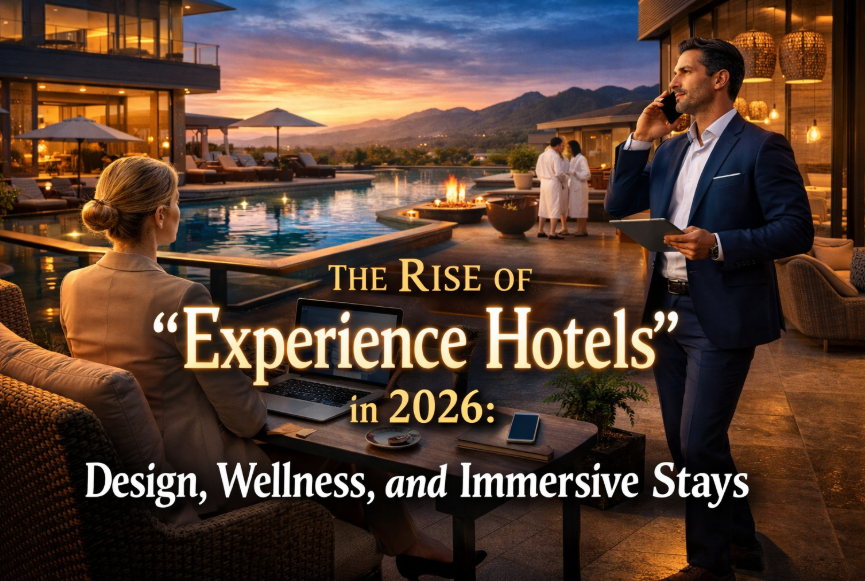
Why “Experience Hotels” Are Taking Over in 2026
Experience hotels in 2026 don’t sell a room. They sell a feeling. Modern travelers crave luxury experiences that turn into real memories. Instead of “just a bed,” people want an immersive stay with personality. A dramatic check-in, a calming scent, and a lobby that feels like a private gallery all matter. This demand lifts premium hospitality growth in both cities and resorts. Higher ADR follows when a hotel delivers emotional value.
Brands also fuel the boom because the audience spends fast. Advertisers chase high-intent luxury travelers who buy premium skincare, wellness tech, and designer fashion. That mix attracts high CPC travel advertising and better sponsor deals. Social media adds rocket fuel to the trend. Guests record rituals, cinematic corners, and wellness moments. Those posts become free marketing with real conversion power. In 2026, the best hotels design every frame.
Experience Hotel Design Trends That Make Guests Say “Wow”
Design now works like a silent sales pitch. A strong layout guides the guest journey with intention. Lighting leads the mood from arrival to bedtime. Texture shapes the sense of comfort and status. Signature scent branding locks the memory into the mind. Acoustic planning makes quiet feel expensive. Every sensory detail supports luxury positioning and better review performance. When design feels seamless, guests trust the price.
Nature-driven aesthetics dominate because people want calm. Biophilic interiors add stone, wood, plants, and water. Local materials create a story with roots. Artisan details make the property feel one-of-one. Sustainability also becomes a premium signal in 2026. Travelers now connect eco choices with luxury identity. That connection boosts sustainable luxury travel demand. Advertisers love this narrative because it fits high-value lifestyle categories.
Wellness Stays in 2026 Feel Like a Personal Reset Button
Wellness has moved from “nice add-on” to core strategy. Guests want deeper sleep and cleaner energy. Hotels answer with sleep tourism features that deliver. Blackout systems, silent HVAC, and temperature control matter. Circadian lighting supports natural rhythms. Recovery showers and pillow menus add comfort science. Breathwork sessions and sound baths add emotional calm. A well-rested guest becomes a loyal guest.
Food also shifts into the wellness spotlight. Functional menus now drive wellness travel decisions. High-protein breakfasts support busy schedules. Gut-friendly options support daily comfort. Adaptogenic drinks feel trendy and useful. Longevity-inspired tasting menus feel indulgent and smart. This approach increases restaurant revenue and brand partnerships. Guests buy the “better me” promise with every bite. The hotel earns premium trust through wellness clarity.
Immersive Stays That Turn a Hotel Into a Living Story
Immersion wins because it makes travel feel rare. Narrative-led hospitality turns a stay into a journey. Local mythology can shape the theme. Modern art can shape the mood. Cinematic lighting can shape the night. Staff can guide guests through rituals like friendly storytellers. A hotel that feels alive creates emotional reviews. Those reviews lift luxury booking intent and repeat stays. That’s the power of experience-first hospitality.
Technology helps when it stays gentle. Subtle AR layers can enrich art and local culture. Spatial audio can deepen calm in public spaces. Interactive installations can add wonder without noise. One-tap personalization can set lighting and soundscapes. Smart design prevents tech fatigue by keeping controls simple. Guests feel magic, not complexity. That balance defines premium immersive travel in 2026. The best experiences feel effortless.
How Experience Hotels Monetize Design, Wellness, and Emotion
Revenue grows when hotels bundle outcomes, not rooms. Curated packages sell “sleep reset” weekends and creative retreats. Wellness classes and guided rituals add value. Limited-capacity experiences create scarcity. Scarcity supports higher pricing without friction. Dynamic pricing works better when demand targets experiences. Upsells also work when they feel like gifts. Surprise minibar wellness shots can lift spend. Small premium touches can feel huge.
Brand collaborations unlock another revenue engine. Experience hotels act like premium media spaces. Guests arrive with high trust and high intent. Skincare brands can sponsor wellness suites. Premium audio brands can sponsor sound lounges. EV brands can sponsor arrival journeys and charging rituals. These partnerships feel natural inside the story. They also raise high CPC advertising potential for luxury sectors. Hotels earn more without increasing room inventory. That’s modern hospitality economics.
How to Choose the Right Experience Hotel Before You Book
Not all “experience” hotels deliver real depth. Authenticity shows up in details and operations. Specific programming proves the hotel has a plan. Named collaborators add credibility. Clear schedules show the experience isn’t random. Real photos show how spaces feel at normal times. Crowd management also matters for luxury comfort. A packed ritual can kill the mood fast. Strong flow design protects the magic.
Reviews require a smart reading style in 2026. Look for mentions of sleep quality and noise levels. Notice comments about staff warmth and consistency. Watch for repeated complaints about service gaps. Check what the rate includes before booking. Some hotels hide value behind add-ons. Others include wellness access and rituals upfront. Time ROI and wellness ROI matter more than discounts. The right hotel gives you energy back.
Conclusion
Experience hotels in 2026 rise because travelers want meaning, not just marble. Design sets the stage for desire. Wellness delivers a real personal upgrade. Immersion turns a stay into a story you replay later. When these pieces work together, a hotel becomes a lifestyle platform. Guests don’t just remember the room. They remember the feeling, the calm, and the identity it gave them. That’s why experience hotels keep winning the future of luxury travel.
FAQs
1) What is an experience hotel in 2026?
An experience hotel focuses on immersive design, curated rituals, and wellness outcomes that make the stay feel transformational.
2) Are experience hotels always expensive?
Many cost more because they add premium experiences and wellness features, but some boutique options stay mid-range.
3) What wellness features should I prioritize?
Sleep optimization leads in 2026, including blackout systems, quiet rooms, circadian lighting, and recovery-focused amenities.
4) How do I avoid “Instagram-only” experience hotels?
Choose hotels with detailed programming, credible partners, and reviews that mention comfort, service, and real results.
5) Will immersive tech ruin the relaxing vibe?
The best hotels keep tech subtle and optional, using it to support calm personalization, not overwhelm the guest.
Read More